
Fable 5 came back, and the real lesson got louder: powerful agents need boring rules around them.
🔥 The Big One

Fable 5 is back after an 18-day safety mess.
Anthropic is redeploying Claude Fable 5 starting today, July 1, after the US government lifted export controls on Fable 5 and Mythos 5.
That is a big deal for builders because Fable 5 was not just another model launch. Anthropic positioned it as its most capable generally available model, especially for long-running software engineering, knowledge work, vision, and agentic tasks.
Then it vanished almost immediately.
On June 12, Anthropic suspended access after a government directive tied to export controls and concerns around a reported safeguard bypass. Over the last two weeks, Anthropic says it worked with the government, Amazon, and other partners, then trained an improved classifier that blocks the reported technique in over 99% of cases.
The important part is not just "the model is back."
The important part is the shape of the future: frontier coding models are getting powerful enough that releases, access, safety classifiers, government review, enterprise controls, and usage limits are all becoming part of the developer workflow.
"Fable 5 will be available starting tomorrow, Wednesday, July 1, to users globally on the Claude Platform, Claude.ai, Claude Code, and Claude Cowork." - Anthropic
My take: this is exactly why "vibe coding" cannot be the whole operating system.
The best developers are going to be the ones who can use models like Fable 5 aggressively while still having a serious workflow: small scopes, clear acceptance criteria, tests, diff review, permissions, logs, and rollback points.
The stronger the model, the more boring your process needs to be.
"The new classifier means that the specific technique described in the Amazon report is blocked in over 99% of cases." - Anthropic
⚡ What shipped this week
1. Cursor put always-on coding agents in your pocket.
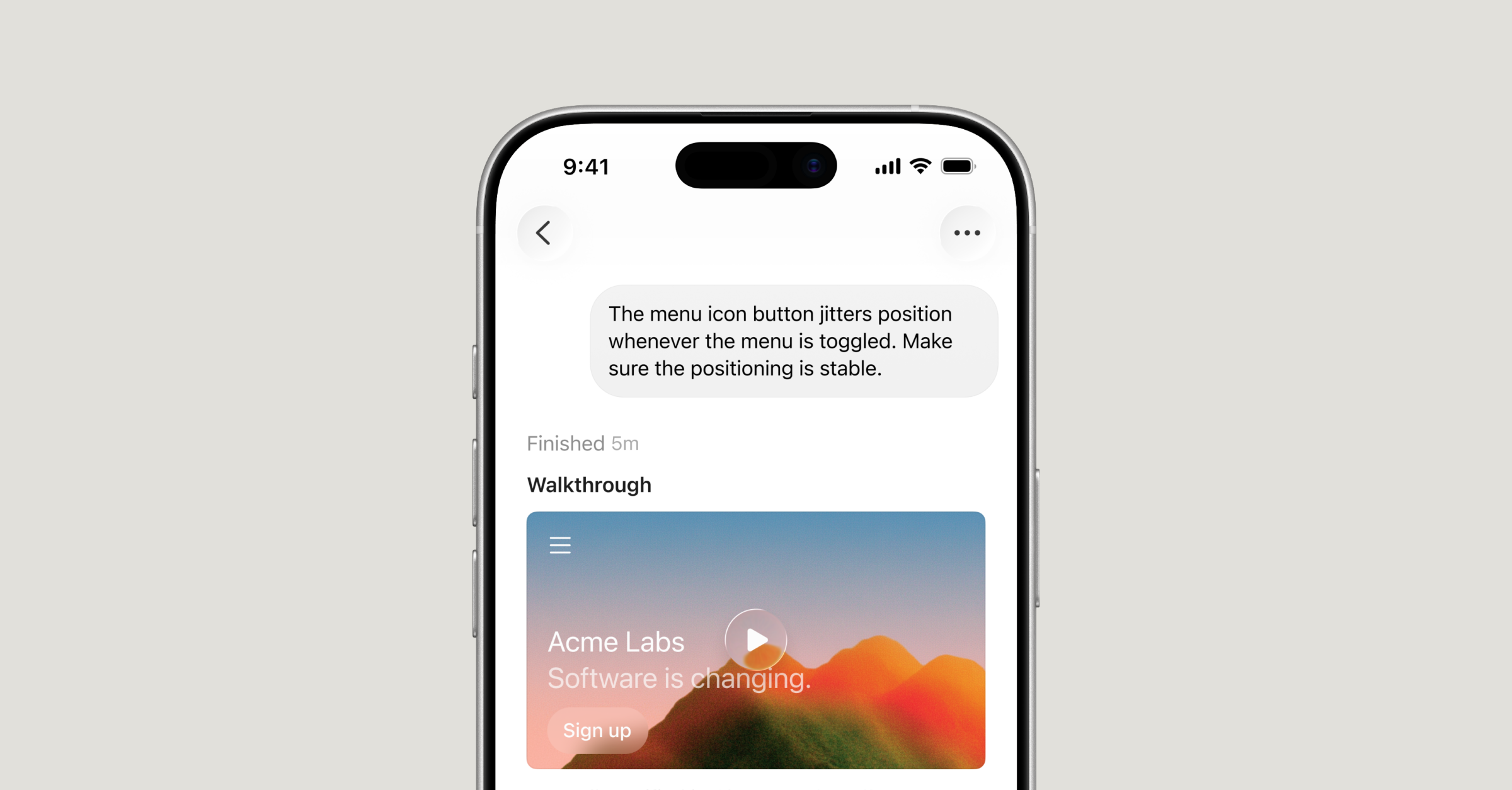
Cursor shipped Cursor for iOS in public beta, and this is one of those updates that sounds small until you think about the behavior it creates.
You are no longer sitting at your desk asking an assistant to complete a line of code.
You can kick off a repo task from your phone, check the agent's progress between meetings, review the result, and send it back for fixes without opening your laptop. That is a totally different relationship with software work.
This is why I keep saying the next skill is not "prompting." The next skill is agent management: scoping the task, checking the diff, setting permissions, and knowing when the agent should stop.
"Launch and manage always-on agents from anywhere." - Cursor
2. Anthropic says expertise still matters with Claude Code
Anthropic's Claude Code research is worth reading because it pushes back on one lazy take: "AI coding means expertise matters less."
The better read is that agents raise the ceiling for people who know how to direct work. The agent can search, edit, test, and refactor, but the human still needs taste, architecture sense, and enough experience to catch when the output is technically correct but strategically wrong.
This matches what I see in real builds: beginners move faster, but experienced devs compound harder because they know what to ask for and what to reject.
"Agentic coding has taken off." - Anthropic
3. Gemini CLI added Plan Mode by default

Google shipped Plan Mode in Gemini CLI, and I love this direction.
Before an agent touches files, it can inspect the codebase, map dependencies, ask clarifying questions, and produce a plan in a read-only environment. That is exactly how you stop agents from sprinting into the wrong fix.
This is the workflow I want more devs using: first understand the system, then edit.
"Plan mode is a read-only mode." - Google Developers Blog
4. Google is moving Gemini CLI users toward Antigravity CLI

Google also posted an important migration note: consumer Gemini CLI and Gemini Code Assist IDE access is moving toward Antigravity CLI.
The detail devs should notice is the direction of travel. Agent tooling is consolidating around multi-agent workflows, async execution, and tighter desktop integration.
In plain English: terminal agents are becoming platforms, not side projects.
"Starting today, Antigravity CLI is available to everyone." - Google Developers Blog
5. The clean repo attack is the warning shot

Mozilla's 0DIN team demonstrated a scary agentic coding risk: a repo can look clean, then use setup instructions and runtime indirection to get an AI coding agent to run something dangerous.
This matters because most developers still review the repo, not the whole execution path.
When an agent has shell access, "just get the project running" is a powerful instruction. You need isolated environments, permission prompts, network restrictions where possible, and a habit of reading setup scripts before running unknown projects.
"The repository itself did not contain the reverse shell payload." - Hive Security
🧰 Worth your time
-
Anthropic's Fable 5 redeployment note - The model is coming back globally, but the safety/process details are the real story.
-
How Claude Code is used in practice - Anthropic's usage research is a strong reminder that expertise still matters. Agents help more when the operator knows what "good" looks like.
-
Transitioning Gemini CLI to Antigravity CLI - If you have scripts or team workflows tied to Gemini CLI, do not leave the migration until the last second.
Are your coding agents mostly helping you move faster, or are they starting to create cleanup work too?
Hit reply - I want the honest version.
I read every single one.
Talk soon PAPAFAM,
Sonny 👋🏼
👇🏽 Don't forget to follow me across socials!


Responses