
OpenAI just made one of the biggest barriers to AI coding adoption way smaller: the buying decision.
This week felt like a shift from "AI coding is cool" to "AI coding is getting budgeted like normal software".
🔥 The Big One
OpenAI just made AI coding easier to buy.
The biggest AI story this week wasn’t a benchmark chart. It was pricing. OpenAI launched Codex-only seats with pay-as-you-go pricing for ChatGPT Business and Enterprise, which means teams can now roll out Codex without committing to a fixed seat fee for everyone.
That matters because AI coding adoption usually gets blocked long before the model quality becomes the problem. The real friction is procurement, risk, and the awkward question of whether every engineer needs a full premium seat from day one. OpenAI just gave teams a much cleaner wedge: start small, track usage, prove ROI, then expand.
The other part people shouldn’t miss: OpenAI says more than 2 million builders use Codex every week, more than 9 million paying business users rely on ChatGPT for work, and Codex users inside Business + Enterprise have grown ==6x since January==. That’s not experimentation anymore. That’s enterprise motion.
"Starting today, teams on ChatGPT Business and Enterprise can add Codex-only seats to their workspaces with pay-as-you-go pricing... The number of Codex users has grown 6x since January." — OpenAI
🛠️ What I built this week
This week reinforced a point I keep coming back to: the winners won’t just use AI — they’ll build workflows around it.
-
Newsletter ops system — tightening the pipeline from research to draft to review so content creation becomes a repeatable machine, not a scramble. Workflow beats one-off prompting every time.
-
Agent-first publishing thinking — treating AI like a team with roles, reviews, and approval gates instead of one chat box. The structure around the model is becoming the moat.
-
Signal over noise filtering — focusing less on “what launched” and more on “what actually changes how builders work.” Curation is now a product skill.
"Most people are still testing prompts. The real leverage comes when you design systems around the models." — Sonny
⚡ What shipped this week
1. GitHub Copilot in Visual Studio is becoming a real agent workspace
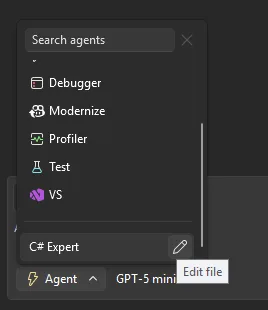
Microsoft’s March Visual Studio update is quietly a big deal. GitHub Copilot now supports custom agents, agent skills, and a find_symbol tool that gives it language-aware navigation across your codebase. That means less glorified autocomplete, more actual task execution with structure.
What stands out to me is the direction: every serious coding tool is converging on the same shape — agents, skills, tool use, context, and governance. The UX wrappers will differ, but the underlying model of how developers work with AI is starting to standardize.
"Custom agents allow you to build specialized Copilot agents tailored to your team’s workflow... and a new find_symbol tool gives agents language-aware navigation across your codebase." — Visual Studio Blog
2. ChatGPT Business just got a cleaner path for rolling out Codex internally
This is technically part of the same OpenAI story, but it deserves its own operational lens. OpenAI didn’t just add Codex-only seats. It also lowered annual ChatGPT Business pricing from ==$25 to $20 per seat== while shifting Codex usage to a clearer token-based model.
Why does that matter? Because teams don’t only need stronger models. They need pricing they can explain to finance. The more predictable AI tooling gets, the faster it moves from “innovation experiment” to “default developer stack.”
"To make that path more accessible, we’re lowering the annual price of ChatGPT Business from $25 to $20 per seat." — OpenAI
3. Product Hunt is showing where dev tools are heading: parallel agents, local AI, and voice
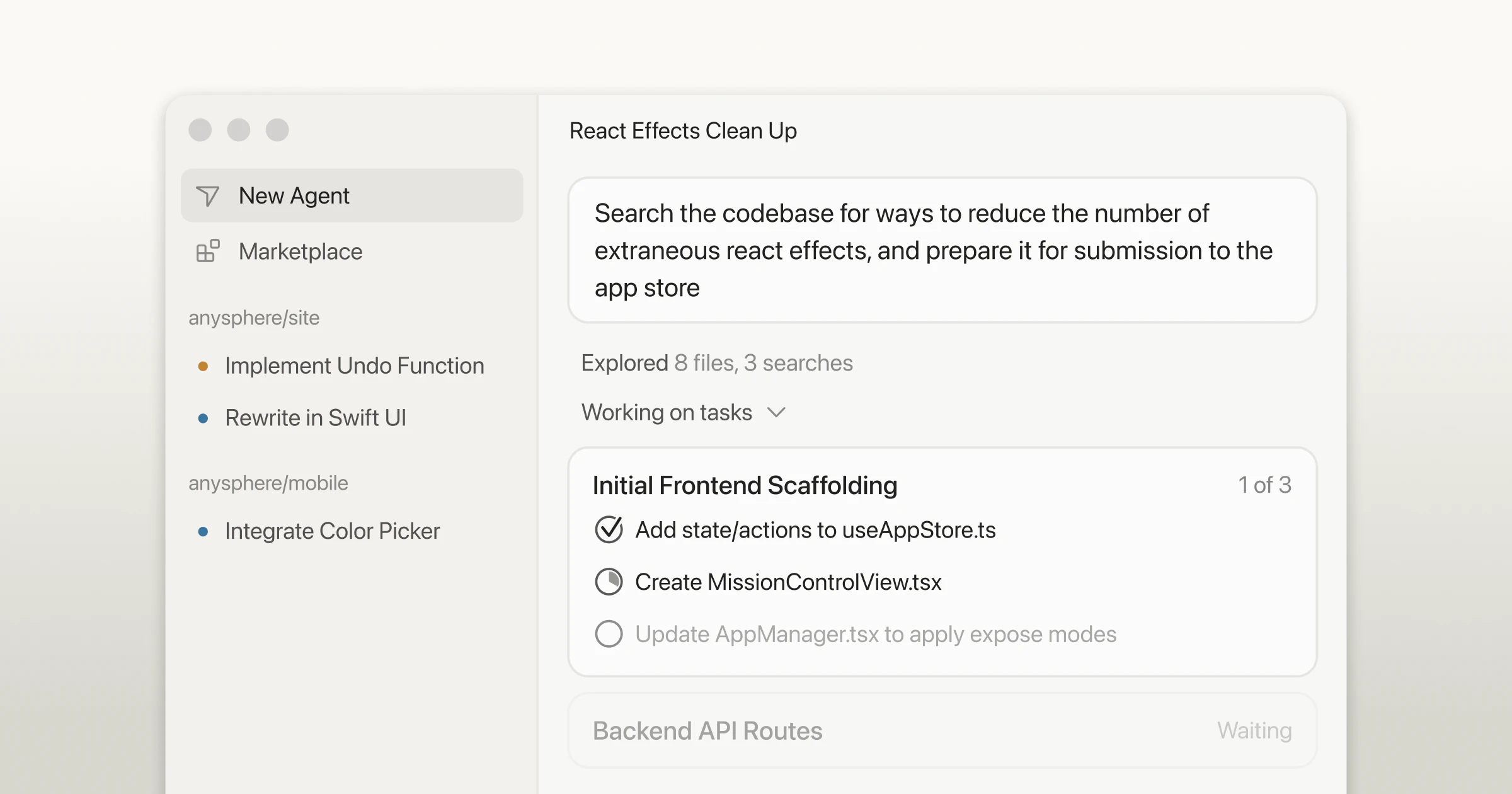
This week’s Product Hunt launches were actually useful for once. Cursor 3 pitched a unified workspace for parallel local/cloud agents and MCPs. Ollama v0.19 focused on massive local model speedups on Apple Silicon with MLX. NovaVoice showed how fast voice is becoming a serious input layer for AI workflows.
Individually, these are product launches. Together, they tell a clearer story: the next phase of AI tooling is about orchestration, not just chat. Multiple agents. Local + cloud blends. Voice input. Faster loops. Less friction between idea and execution.
"Unified workspace for parallel local/cloud agents and MCPs." — Cursor 3 on Product Hunt
4. Google Gemma 4 and open model momentum keep putting pressure on closed tool vendors
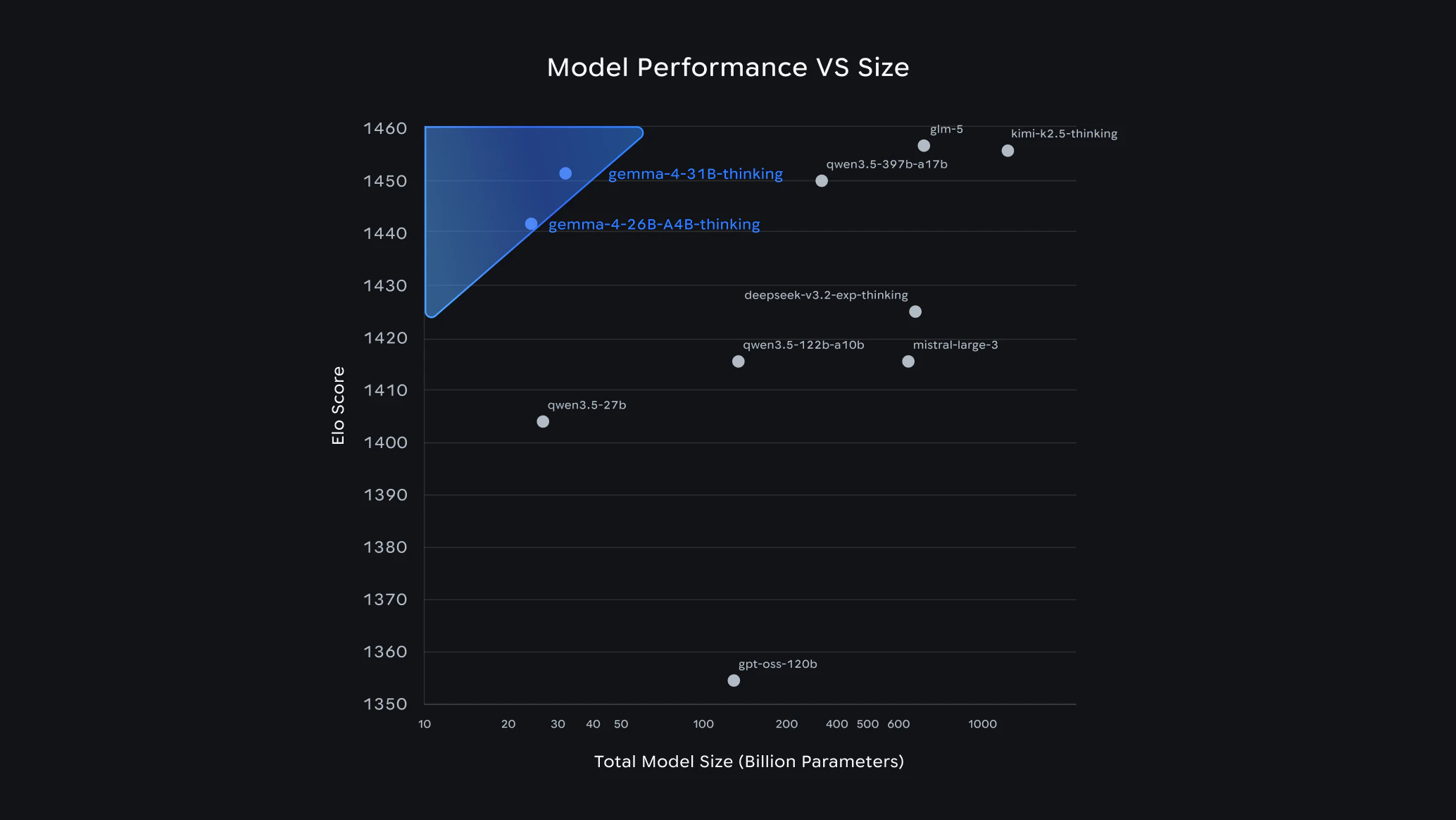
Another Product Hunt signal worth paying attention to: Google Gemma 4 landed with the framing of Google’s “most intelligent open models to date.” Pair that with local acceleration stories like Ollama, and you get the bigger pattern: open ecosystems are getting harder to ignore.
For builders, this is healthy. Even if you use closed products day to day, the open layer puts pressure on pricing, speed, customization, and deployment flexibility. The best outcome for developers isn’t one winner. It’s intense competition.
"Google's most intelligent open models to date." — Google Gemma 4 on Product Hunt
🧰 Worth your time
-
Ollama v0.19 on Product Hunt — If you care about local AI on Apple Silicon, this is worth a look. Faster local inference keeps getting more practical, which matters a lot for privacy, speed, and offline workflows.
-
NovaVoice on Product Hunt — Voice-first workflow tools still look niche until they click. But once they do, they remove a ton of friction from prompting, navigation, and execution.
-
ChatGPT Business release notes — Dry on the surface, but these release notes are where you catch the operational shifts early: pricing, apps, write actions, connectors, and rollout changes.
My weekly message to YOU!
A lot of people are still judging AI tools like consumers.
The edge now comes from thinking like an operator.
Don’t just ask: which model is best?
Ask: what workflow can I redesign this week so I ship faster with less drag?
That’s where the compounding starts.
Reply and tell me: what’s one part of your workflow you want AI to own next?
I read every single one.
Talk soon PAPAFAM,
Sonny 👋🏼
👇🏽 Don't forget to follow me across socials!



Responses