
This week made it obvious: the terminal is becoming the control room.
🔥 The Big One
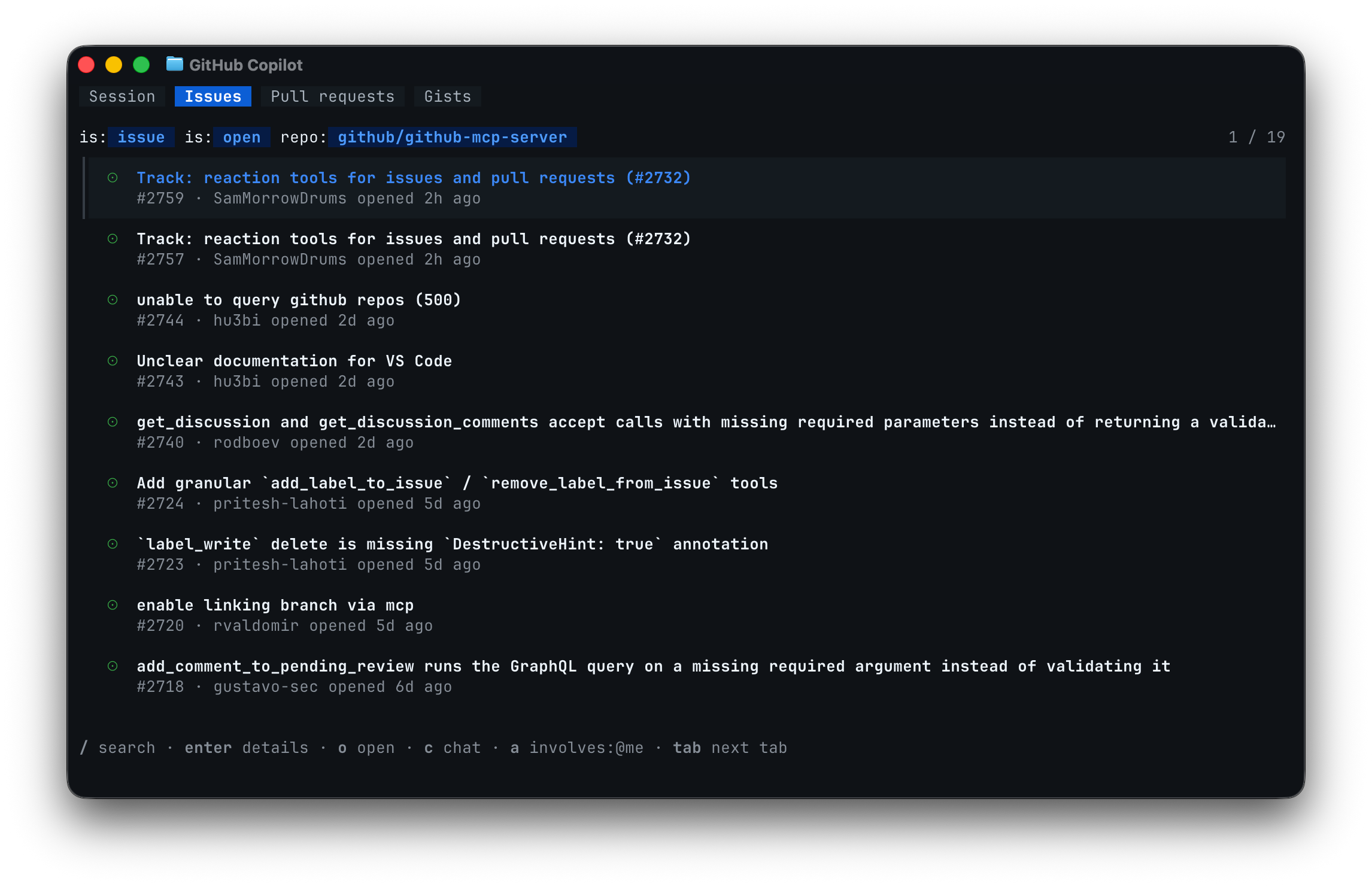
GitHub just made the terminal feel like the new home for coding agents.
GitHub made the redesigned Copilot CLI generally available this week, and honestly, this is bigger than another "AI in your editor" update.
The important bit is not just that you can chat in the terminal. We have had that for a while.
The important bit is that Copilot CLI is starting to look like a real agent workspace: tabs for issues, pull requests, and gists, a cleaner terminal UI, tool configuration in one place, and tighter GitHub context while you work.
That changes the workflow. Instead of copying an issue into an AI chat, asking for a fix, jumping back to the terminal, checking a branch, opening GitHub, then asking again... the agent is now closer to the place where the work actually happens.
"The redesigned terminal interface for GitHub Copilot CLI is now generally available." - GitHub Changelog
And this landed right next to another interesting GitHub update: BYOK support for the Copilot app.
That means teams can run agent sessions against their own model providers, including OpenAI, Azure OpenAI, Microsoft Foundry, Anthropic, LM Studio, Ollama, or any OpenAI-compatible endpoint.
This is the real direction: agents are moving from "one assistant with one model" to a configurable dev environment.
My take: the winners here will not be the devs who just install every AI tool. It will be the devs who build a repeatable workflow around them.
"Run agent sessions against your own model providers." - GitHub Changelog
⚡ What shipped this week
1. GitHub Copilot app now supports BYOK
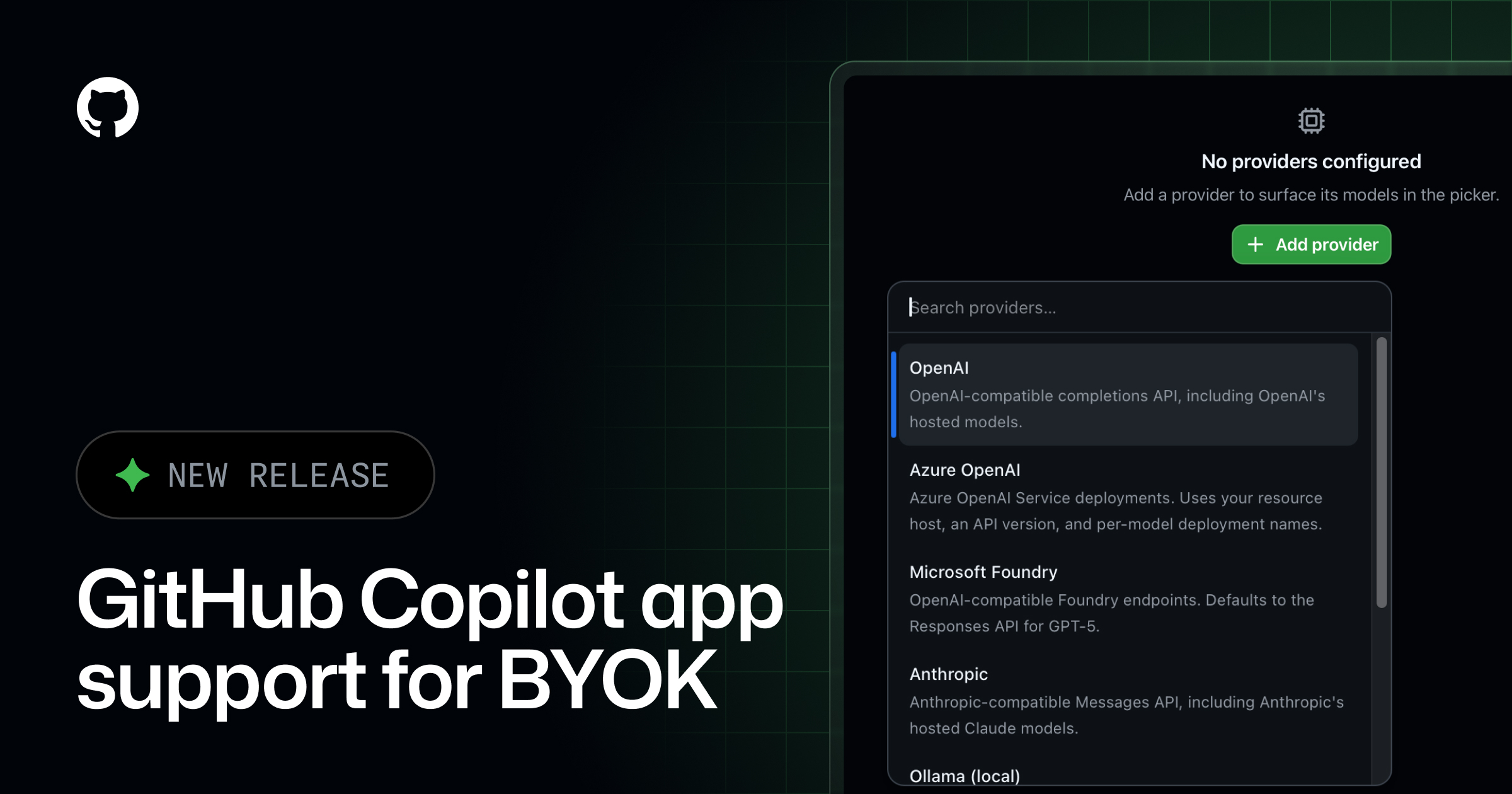
This is one of those updates that sounds boring until you think about enterprise teams.
If your company wants Copilot's agent workflow, but wants control over which models are used, BYOK is a big unlock. You can connect OpenAI, Anthropic, local models via Ollama, or OpenAI-compatible endpoints.
That turns Copilot from "GitHub's AI tool" into more of an agent shell for your team's approved model stack.
"The GitHub Copilot app now supports bring your own key." - GitHub Changelog
2. Claude is coming into Copilot for JetBrains workflows
GitHub also shipped a JetBrains update with Claude as an agent provider preview, organization and enterprise agents, queued Copilot CLI messages, and better agent debug logs.
That tells you where this is going: the IDE is not the product anymore. The agent layer is.
If you use JetBrains, this is worth watching because it makes multi-provider AI coding feel less like a hacked-together setup and more like a first-class workflow.
"Claude as agent provider preview in JetBrains IDEs." - GitHub Changelog
3. Cloudflare temporary accounts make agent deploys feel real

Cloudflare rolled out Temporary Accounts for AI agents, which lets an agent deploy a Worker with `wrangler deploy --temporary` and get a live URL without the usual human signup flow.
This matters because agents need a tight loop: write code, deploy, test, fix, redeploy.
Most infrastructure is still built for humans clicking dashboards. Cloudflare is moving toward infrastructure that agents can actually operate.
"Any agent can now run wrangler deploy --temporary." - Cloudflare Blog
4. Claude Opus 4.8 adds dynamic workflows for bigger coding tasks

Anthropic's Opus 4.8 update is not just a model bump.
The most interesting part for builders is dynamic workflows in Claude Code. Claude can plan a larger task, spin up parallel subagents, verify outputs, and report back.
This is the same pattern we keep seeing everywhere: the future is not one huge prompt. It is orchestration.
"Claude can plan the work and then run hundreds of parallel subagents." - Anthropic
5. Copilot's usage-metered era is now live

GitHub's Copilot usage model changed on June 1, and this is the part devs need to internalize.
Agent sessions are not the same as autocomplete. A quick question and a long autonomous coding run do not have the same compute profile, so teams need visibility, budgets, and default rules.
This is why I keep saying: do not just tell an agent "go build it" and walk away. Give it scope, tests, checkpoints, and a quota.
"Copilot is not the same product it was a year ago." - GitHub Blog
🧰 Worth your time
-
GitHub Copilot app is generally available - The desktop app is now positioned as the home for agent-driven development across macOS, Windows, and Linux.
-
Codex for every role, tool, and workflow - OpenAI is pushing Codex beyond software engineers with role-specific plugins, Sites, and annotations. The takeaway: agents are becoming workplace tools, not just coding tools.
-
Dedicated security review in Copilot CLI - A `/security-review` slash command is exactly the kind of small workflow primitive that makes agentic coding safer.
Are you using terminal agents yet, or are you still mainly in Cursor / VS Code chat?
Hit reply - I want to know what is actually working for you.
I read every single one.
Talk soon PAPAFAM,
Sonny 👋🏼
👇🏽 Don't forget to follow me across socials!



Responses