
Every week, AI builders ask the same question:
Which model is the smartest?
I think that is becoming the wrong question.
The better question is: which model should do this part of the job, what should it be allowed to touch, and what proof should it return before the next step runs?
This week, the releases were not just about more intelligence. They were about turning that intelligence into a system you can afford, secure and trust.
🔥 The Big One
GPT-5.6 is not one model. It is a routing decision.
OpenAI launched GPT-5.6 for general availability as three models: Sol, Terra and Luna.
Sol is the flagship and OpenAI’s strongest coding option. Terra is the balanced model for everyday work. Luna is the low-cost model for jobs where speed and volume matter more than maximum intelligence.
OpenAI also introduced an ultra capability setting that can coordinate multiple agents across parallel workstreams.
“We’re launching the GPT-5.6 family of models for general availability following our limited preview: our new flagship, Sol, alongside Terra, a balanced model for everyday work, and Luna, our most cost-efficient model.” — OpenAI
⚡ What shipped this week
1. Vercel Agent moved from code into production
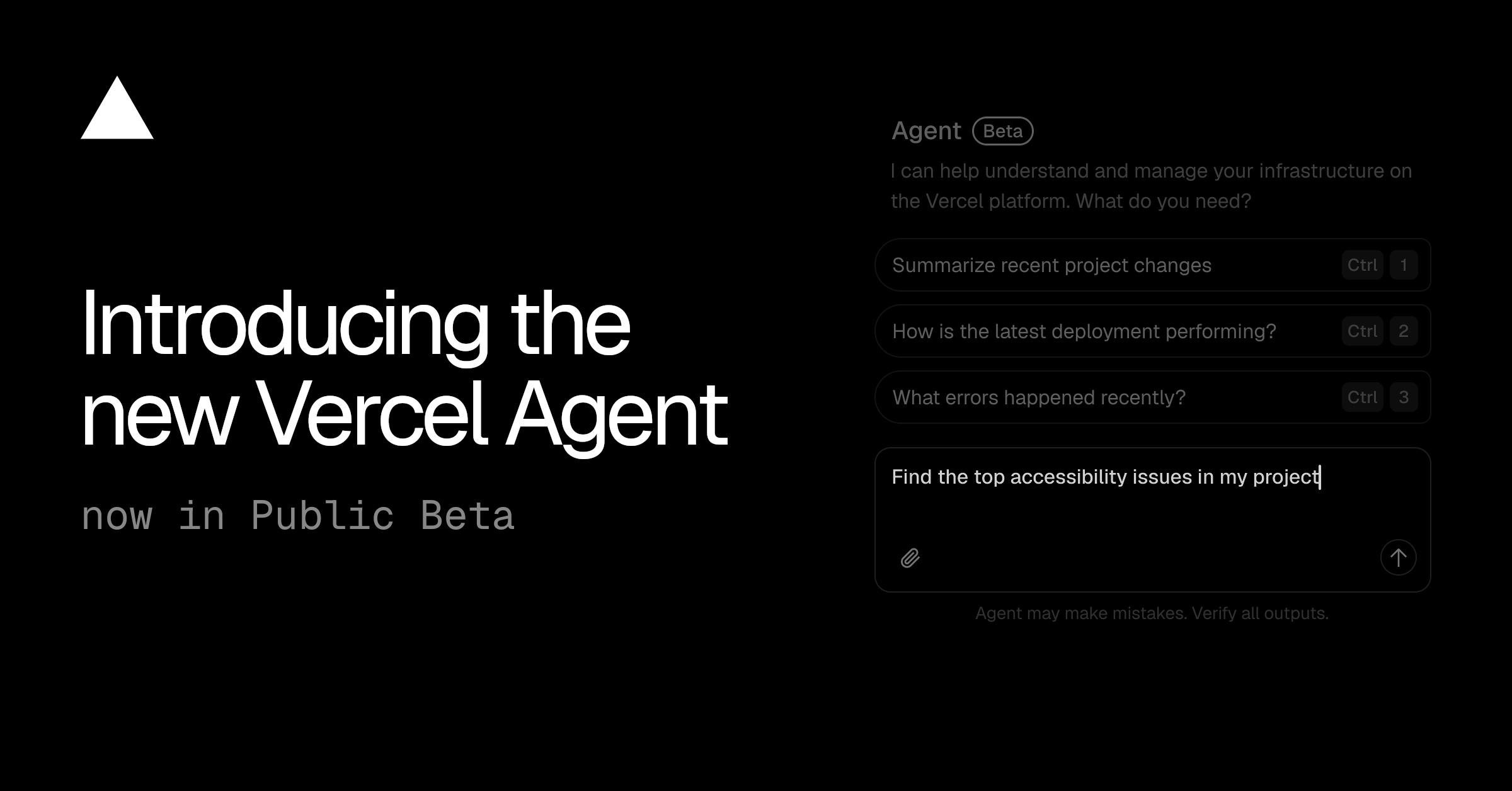
Vercel Agent now has a dedicated home in the Vercel dashboard where it can investigate production, answer questions about projects, diagnose failures and propose fixes.
Because it lives inside the deployment platform, it can work from real logs, metrics, builds and deployment history. It also operates under its own identity, stays read-only by default and needs approval before taking action.
“Now it has a home in your dashboard, where it can investigate production, answer questions about your projects, and take action once you approve it.” — Vercel
This is the right pattern for production agents: deep context, visible identity and a human checkpoint before anything consequential changes.
2. AWS gave MCP agents a proper login
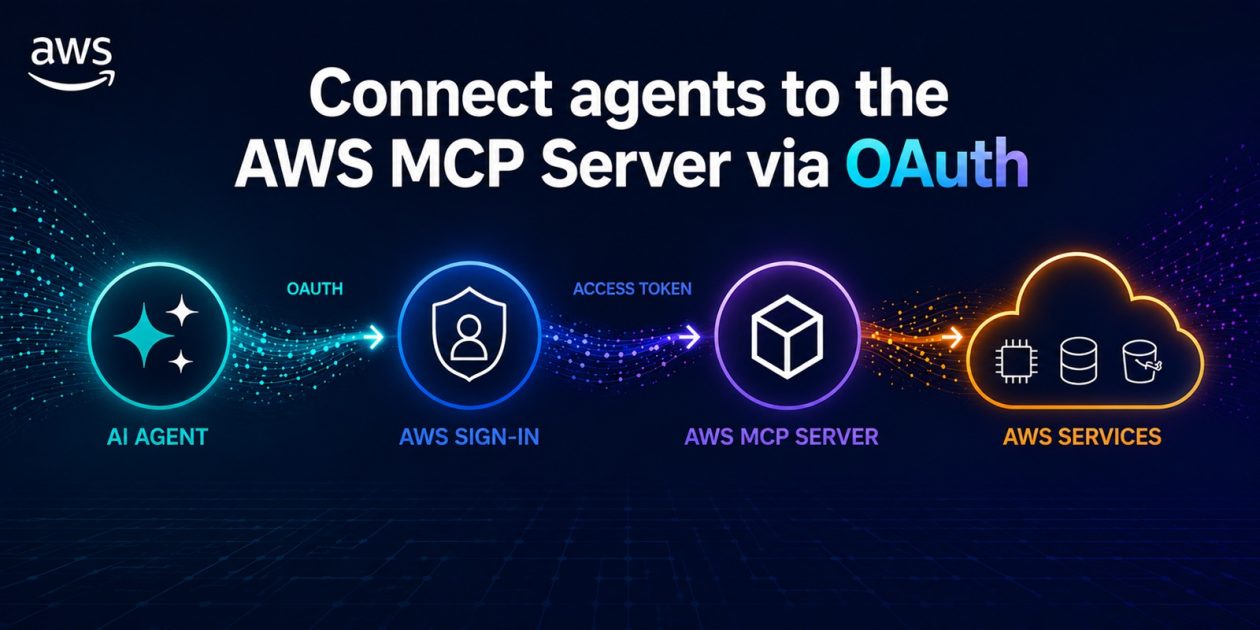
AWS added OAuth support to its MCP Server, letting Claude Code, Codex, Kiro, Gemini and other MCP clients use the same AWS sign-in methods teams already trust.
That sounds boring. Good.
Enterprise agents should not require a pile of long-lived credentials hidden in config files. AWS says the update works with existing IAM permissions and federation, and adds token introspection, revocation, dynamic client registration, CloudTrail events and headless authorization.
“You can now connect your agents to the AWS MCP Server using the same credentials and sign-in methods that you already use.” — AWS Security Blog
MCP gets much more useful when security teams can govern it like the rest of the business.
3. GitHub put security review inside the coding loop
GitHub shipped a pair of updates that make AI security feel like normal developer work.
CodeQL 2.26.0 added a JavaScript and TypeScript query for system-prompt injection. Then GitHub added /security-review to the Copilot app so developers can scan in-flight changes, see high-confidence findings and apply fixes before code lands.
“You can now run a security review on your in-flight code changes directly from the GitHub Copilot app.” — GitHub
The command is in public preview for Copilot Free, Pro, Business and Enterprise users. Prompt injection and unsafe AI-generated code are application-security problems. They belong in the same review loop as SQL injection, secrets and broken access control.
4. Osaurus keeps the agent on your Mac
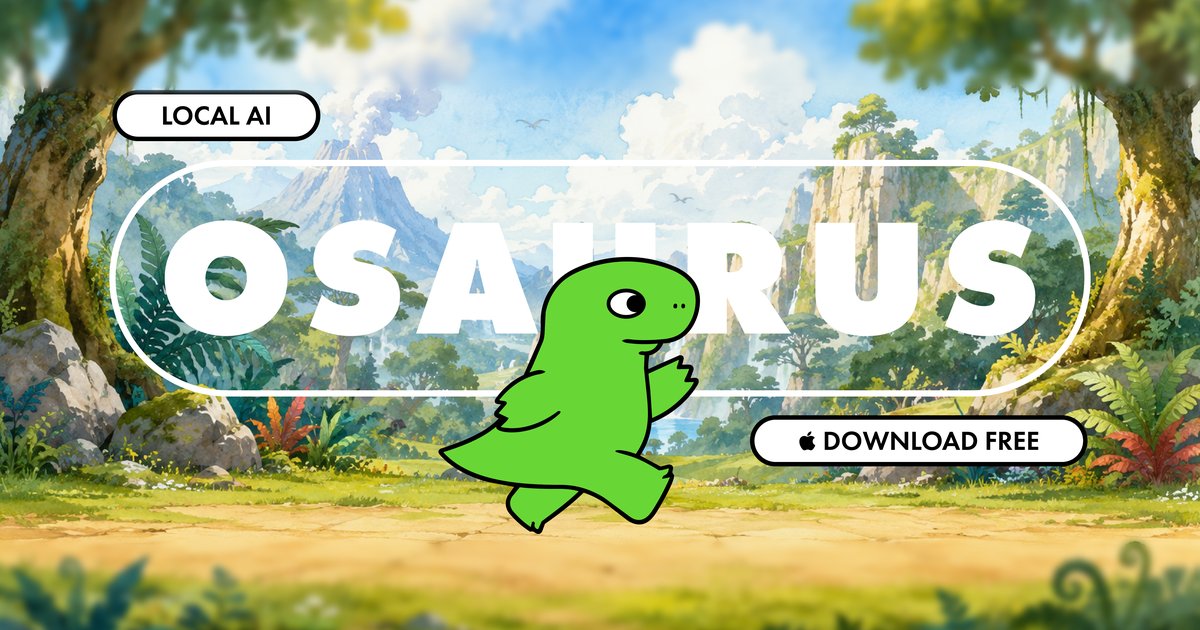
Osaurus launched on Product Hunt at number one with 494 votes and 85 comments. More importantly, the official project gives builders a free, MIT-licensed, native Apple Silicon home for agents that can run local models or connect to cloud models.
“Your AI runs here. Not out there.” — Osaurus
Local-first does not magically make an agent safe, but it changes the trust boundary. Files, memory and local-model work can stay on the machine instead of being pushed through another hosted workspace.
For builders who want to own more of the stack, this is worth testing.
🧰 Worth your time
-
FetchSandbox — The launch says its MCP-connected sandboxes test 60+ API lifecycles, including retries, duplicate webhooks and late events. A
200 OKis not proof that the workflow works. -
Second Brain for AI v2 — Cross-tool memory for Claude, ChatGPT, Cursor, Codex and MCP clients, with explicit states for canonical decisions, drafts and stale context.
-
Cloudflare Precursor — Session-level behavioral signals designed to distinguish humans from advanced bots and agents across an entire user journey.
The lesson this week is not “use GPT-5.6 for everything.”
It is the opposite.
Use the strongest model where it changes the outcome. Route cheaper work to cheaper models or normal code. Give production agents real context but keep them read-only until a human approves the action. Scan AI-specific risks. Test failures, not just happy paths.
Where are you wasting the most money or taking the biggest risk in your current agent setup?
Hit reply. I want the honest version.
I read every single one.
Talk soon PAPAFAM,
Sonny 👋🏼
👇🏽 Don't forget to follow me across socials!




Responses