
Fable 5 vanished in 72 hours - here's the lesson for AI builders
The model everyone was testing got pulled almost instantly. The real takeaway is how to build workflows that survive the chaos.
🔥 The Big One
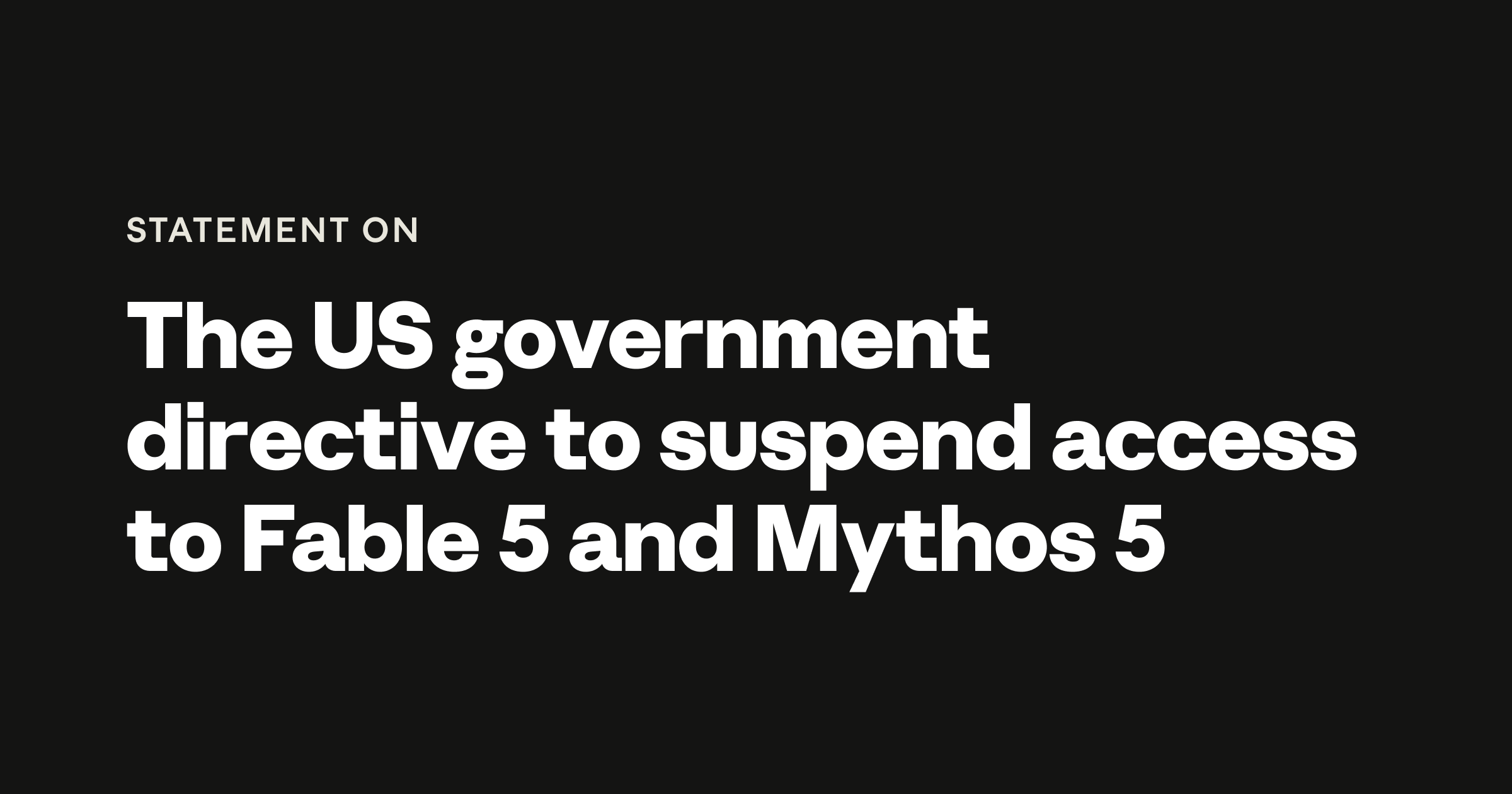
Fable 5 got shut down. That should change how you build with AI agents.
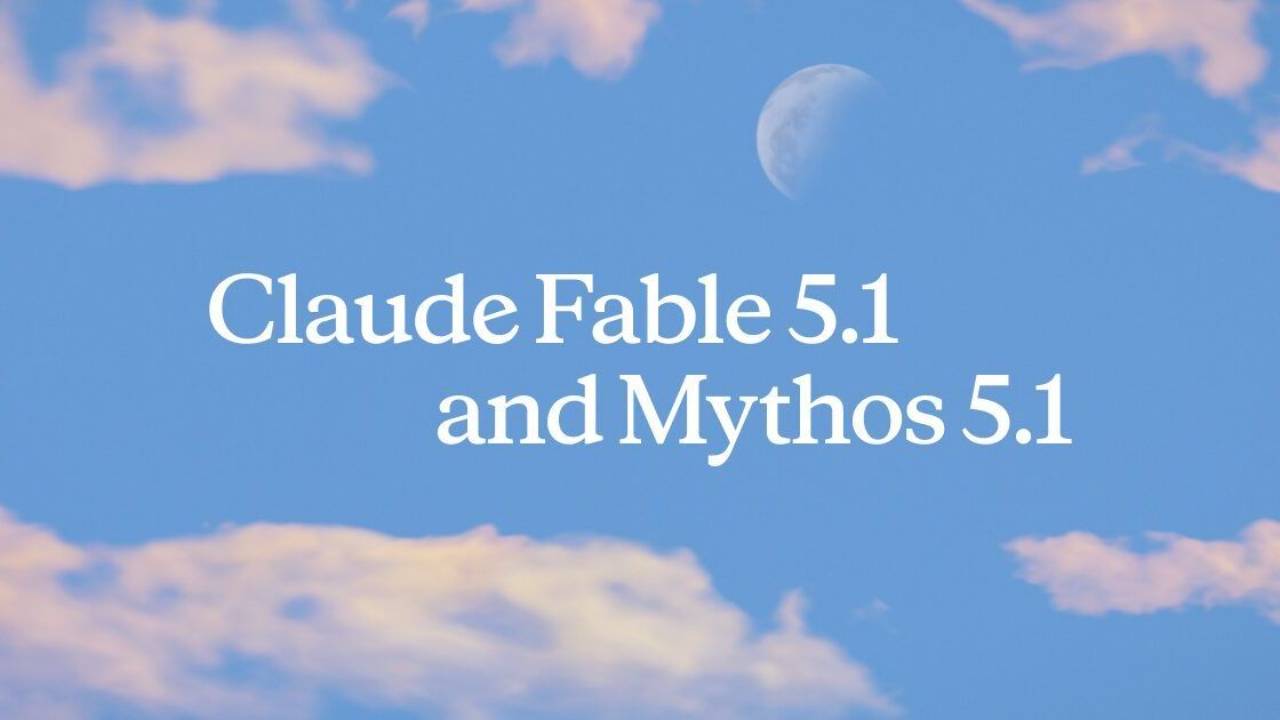
Anthropic launched Claude Fable 5 on June 9 as its most capable generally available model yet. The pitch was massive for developers: longer autonomous coding runs, stronger software engineering, better memory, and more reliable agent work.
Then on June 12, Anthropic said it had to suspend access to Fable 5 and Mythos 5 after a US government directive around national security and a potential jailbreak.
That is the headline. But the developer lesson is bigger:
Do not build your AI coding workflow around one model like it is permanent infrastructure.
Fable 5 looked like exactly the kind of model builders would rush into: long-horizon coding, complex refactors, codebase migrations, research, vision, and serious agentic work. Anthropic even said it could work autonomously for longer than any previous Claude model.
And then access disappeared.
That does not mean "do not use frontier models." It means the opposite: use them, but design around volatility.
The serious AI builders now need a model strategy, not a model crush.
"We are suspending access to Claude Fable 5 and Claude Mythos 5." - Anthropic
Read Anthropic's suspension statement →
So what should devs actually do now?
The winning setup is not "Claude vs Codex vs Cursor vs Gemini."
It is a workflow where each layer can be swapped without destroying the whole system.
-
Keep prompts portable - store your best agent instructions in markdown files, not only inside one app.
-
Separate planning from execution - use a strong model to plan, then a cheaper/faster one to do repeatable work.
-
Run tests after every agent task - the model is not the source of truth; your test suite is.
-
Log what the agent changed - diffs, commands, assumptions, failures, and links should be visible.
-
Have a fallback model ready - if your favorite model goes down, gets rate-limited, or changes behavior, you should still be able to ship.
This is where the market is heading.
AI coding is becoming less like "which autocomplete is best?" and more like how do I design a dependable engineering system around unstable but powerful agents?
"The devs who win here will not be the ones who chase every model launch. They will be the ones who build workflows that keep shipping when the launch disappears." - Sonny
⚡ What shipped this week
1. GitHub is turning agent work into Actions
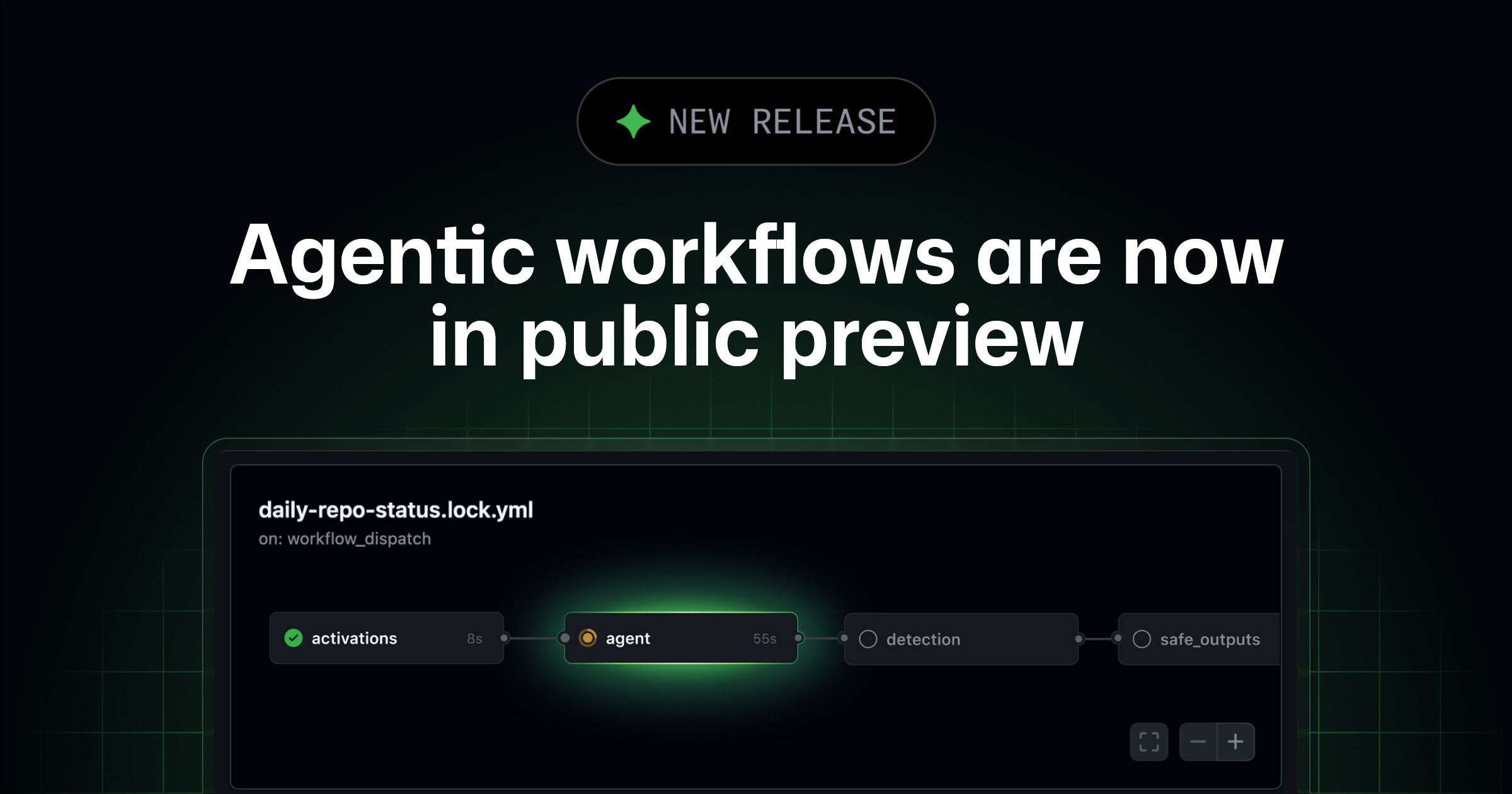
GitHub Agentic Workflows is now in public preview, and this is one of the most practical AI coding stories of the week.
Instead of agents living only in chat or your IDE, GitHub lets teams define reasoning-based tasks in natural language Markdown, then compile them into standard GitHub Actions YAML.
That means things like issue triage, CI failure analysis, documentation updates, dependency maintenance, and security cleanup can become reusable workflows inside the same system your team already trusts.
The best part: it respects existing runner groups and policy constraints. That matters because the future is not "give the agent unlimited repo access." It is agents inside controlled engineering rails.
"Define your automation in natural language Markdown files." - GitHub
2. Google is moving Gemini CLI users to Antigravity CLI

Google is transitioning consumer Gemini CLI and Gemini Code Assist users into Antigravity CLI, with the switchover hitting on June 18, 2026.
The important part for builders is not the rename. It is the architecture shift.
Google says Antigravity CLI keeps the core pieces devs care about: Agent Skills, Hooks, Subagents, and Extensions, now moving under the Antigravity plugin model.
It is also built around asynchronous workflows, so multiple agents can work in the background while your terminal stays usable.
That is exactly the pattern I keep seeing everywhere: one agent in one chat box is becoming outdated. The new default is multiple agents coordinated around a shared harness.
"Antigravity CLI orchestrates multiple agents for complex tasks in the background." - Google Developers Blog
3. GitHub Code Quality is becoming a purchasable product
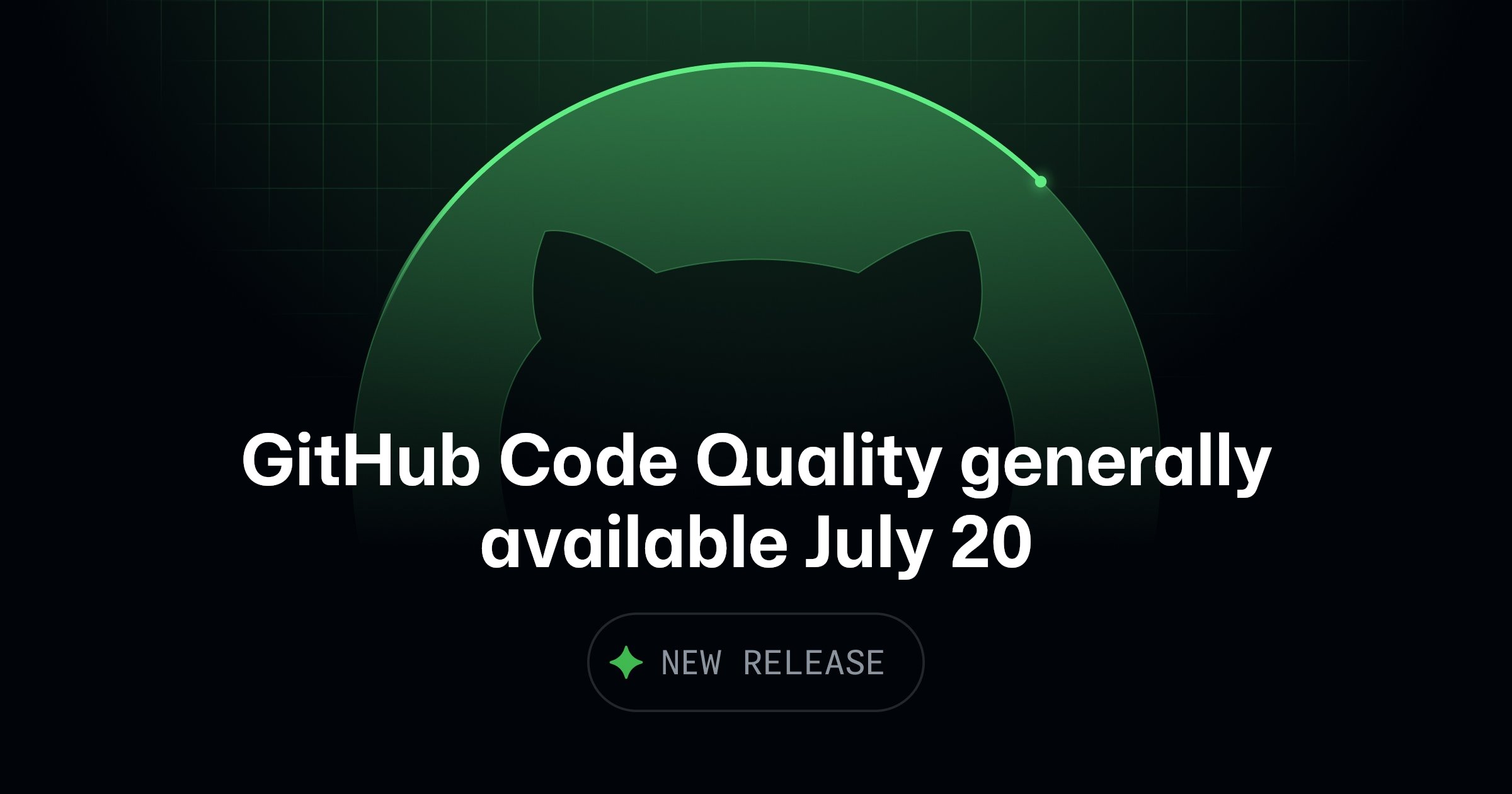
GitHub Code Quality moves to general availability on July 20, 2026, after more than 10,000 enterprises used the public preview.
This matters because AI coding is going to create more code, faster. That sounds great until the pull requests stack up, review quality drops, and teams merge code they do not fully understand.
GitHub is positioning Code Quality around maintainability, reliability, coverage gates, org-level dashboards, repository scoring, and APIs for managing findings.
My take: as agents write more code, quality gates become more valuable, not less.
The future is not "AI writes everything and we trust it."
It is AI writes more, and automated quality systems get stricter.
"More than 10,000 enterprises have used the GitHub Code Quality public preview." - GitHub
Read the GitHub Code Quality update →
4. Vercel's AI Gateway data shows the new model routing reality

Vercel's June AI Gateway Production Index has the most useful "real world" signal this week: teams are not just using frontier models for everything anymore.
DeepSeek V4 jumped from under 1% to 17% of monthly token volume on AI Gateway in May, while staying near 1% of spend.
Even more interesting: in the AI coding agent segment, DeepSeek drove 49% of token volume but only 4% of cost, while Anthropic drove 28% of tokens and 70% of cost.
That tells you the new playbook:
Use frontier models where judgment matters. Use cheaper models where volume matters. Route intelligently.
If you are building AI apps, this is the difference between a cool demo and something that does not melt your margins the second users show up.
"Teams are still increasing token budgets, but they are implementing smarter routing strategies." - Vercel
🧰 Worth your time
-
Claude Fable 5 and Mythos 5 launch post - Read this alongside the suspension statement. The capabilities are still the clearest signal of where agentic coding is heading.
-
SpaceX will buy Cursor for $60 billion - If this closes in Q3, it is a huge sign that AI coding tools are becoming strategic infrastructure, not just developer utilities.
-
How NVIDIA engineers and researchers build with Codex - Useful case study if you want to see how enterprise teams are using Codex for production systems and research workflows.
My weekly message to YOU!
This week, audit your AI coding setup.
Ask yourself:
If my favorite model disappeared tomorrow, could I still ship?
If the answer is no, your next improvement is not another prompt. It is a fallback workflow.
Save your instructions. Keep your tests strong. Make your agents explain their changes. Track cost. Route tasks by difficulty.
That is how you turn AI from a fun assistant into real engineering leverage.
Hit reply and tell me your current stack: Claude Code, Codex, Cursor, Copilot, Antigravity, or something custom?
I read every single one.
Talk soon PAPAFAM,
Sonny 👋🏼
👇🏽 Don't forget to follow me across socials!

Responses