
Hey PAPAFAM 👋🏼
Last week, Gemini 4 Argon was a model to watch. This week, you can actually start building with it through Google's paid API.
That is a more useful story than another benchmark chart. Google's new engineering write-up shows an agent tackling an existing codebase overnight, producing real improvements and some changes the maintainers rejected. Both halves matter.
Alongside it: cheaper small-model work, Meta's new coding model, more integrations for Cursor Origin, and a domain-buying workflow that stops before spending your money. Here is what I would pay attention to.
🔥 The Big One

Gemini 4 Argon is now available for developers
Google opened developer access on 13 October. You can build through the paid Gemini API in AI Studio and Android Studio; Google AI Ultra subscribers can also try Argon in AI Studio and Antigravity. This is the access update to the model we covered last week, not a second model announcement.
The example worth reading is Google's work on ADK, its open-source Agent Development Kit. The Python repository has roughly 205,000 lines of code. In an 11-hour overnight run, Argon investigated performance bottlenecks and proposed six optimizations.
“6 proposals led to 2 shipped changes after code review” (Google's engineering write-up)
Read the developer-access announcement →
⚡ What shipped this week
1. Haiku 5.5 makes small agent jobs worth revisiting
Anthropic launched Haiku 5.5 on 7 October for high-volume tasks such as summaries, database queries, classification and coding subagents. It is also the first Haiku with adjustable effort, letting developers choose how much reasoning to spend.
“Claude Haiku 5.5 is designed for high-volume, cost-sensitive tasks.” (Anthropic)
Read the release and pricing details →
2. Meta's Muse Wonder targets longer-running work
Meta announced Muse Wonder on 12 October. Wonder is available through the Meta Model API and Muse Code; Wonder Full is available to Muse Code subscribers. The separate Muse-app rollout is still ahead.
“We trained both models on diverse, long-running tasks to help them sustain progress across this process.” (Meta)
3. Cursor opens Origin's app marketplace
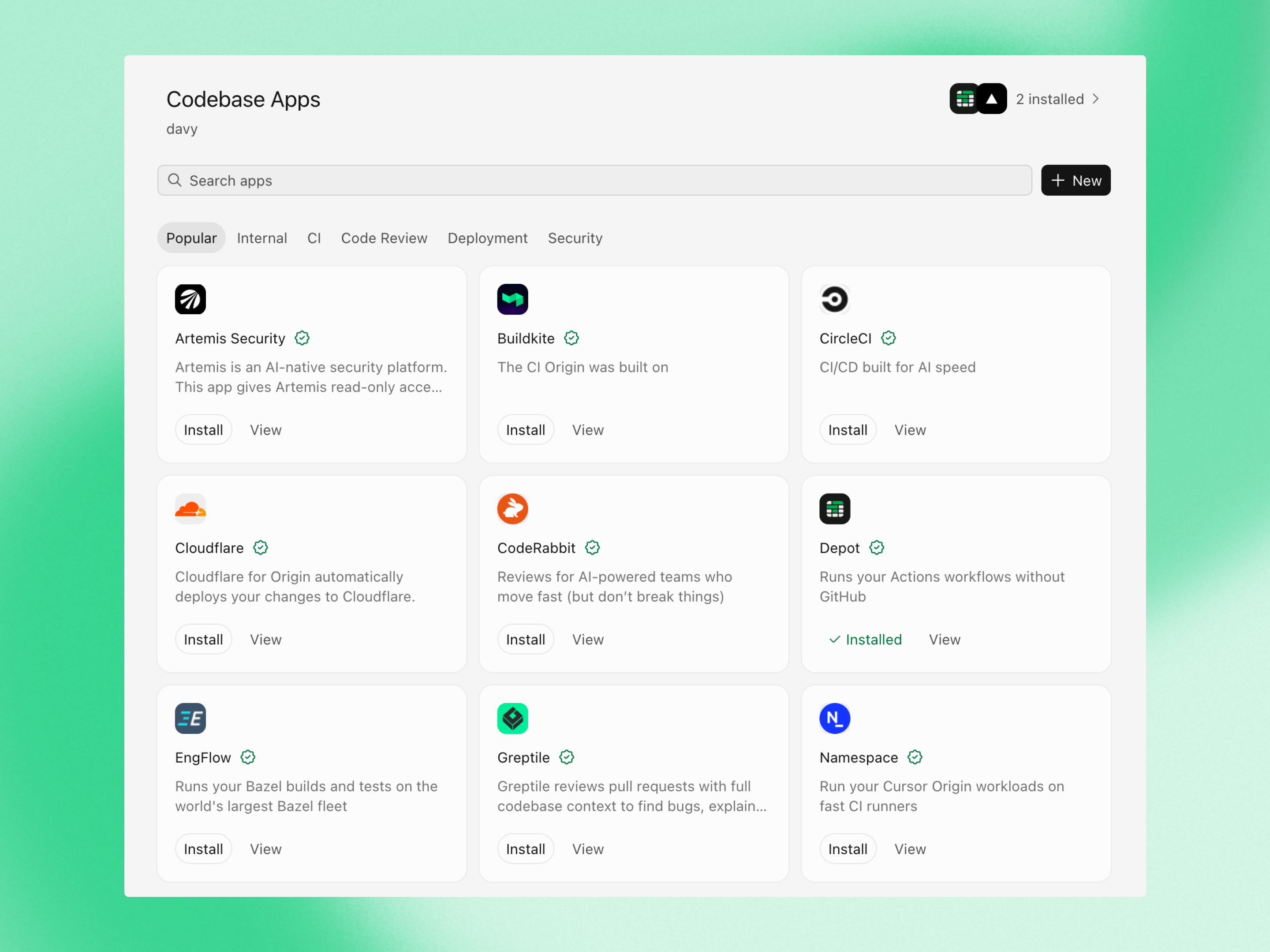
Cursor's 13 October update brings more than 20 integrations to Origin across deployment, continuous integration, review, security, monitoring and project management. Partners include Cloudflare, Vercel, Linear and Sentry.
“any team building developer tools can publish an app for Origin.” (Cursor)
Explore the marketplace update →
4. Vercel agents can prepare a domain purchase, not approve it for you
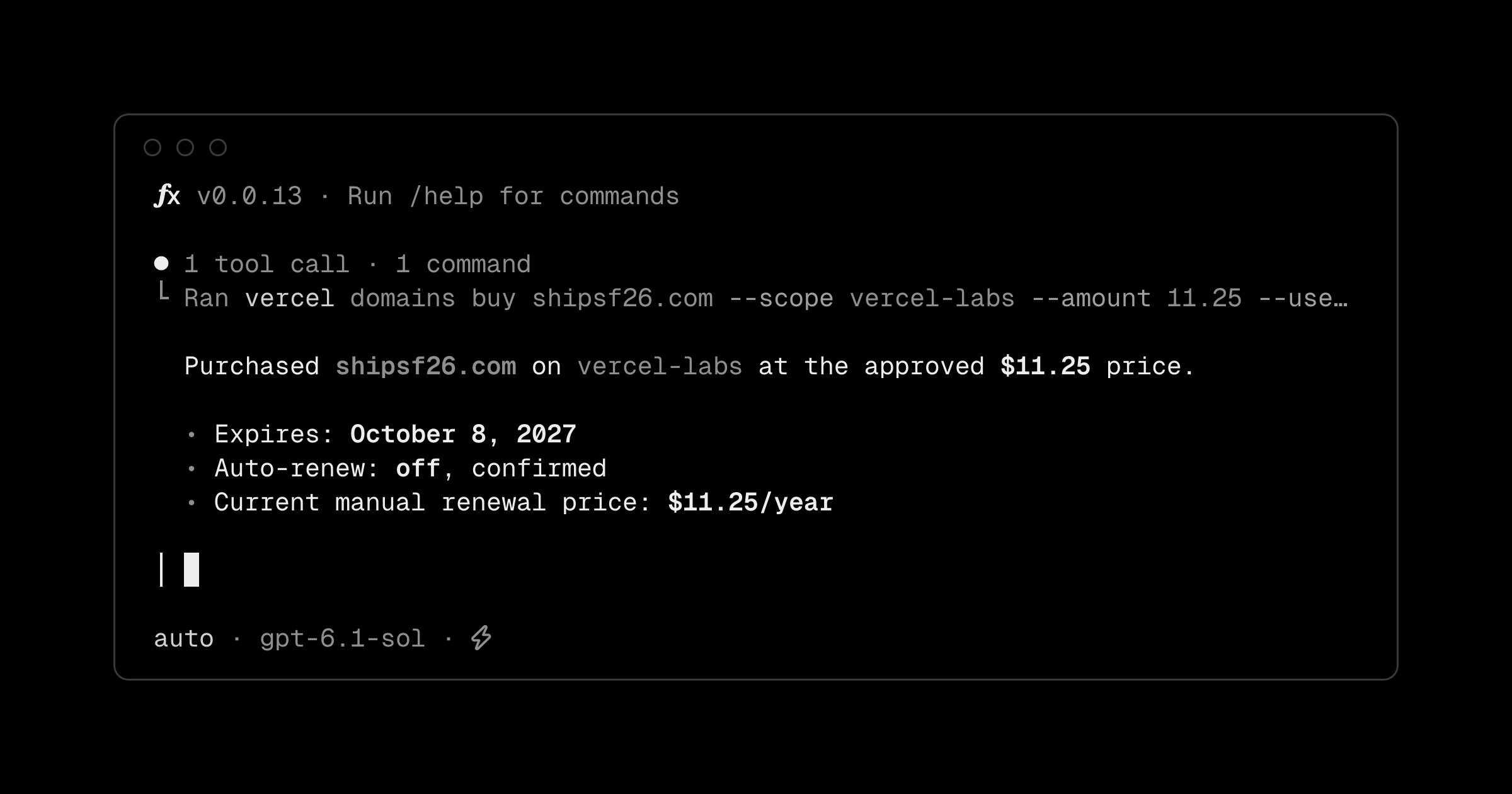
Vercel's 9 October CLI update lets agents search for domains, check availability, inspect pricing and initiate a purchase workflow.
“The purchase decision itself stays with you by design.” (Vercel)
🧰 Worth your time
-
Together Link: Try open models in your existing coding harness, with session cost receipts. The connector is free; Together inference is billed. A discovery from this week's launch notes, not a vendor-confirmed launch date.
-
OpenScreen: A free, open-source screen recorder and editor for showing what you built. Optional AI editing uses your own provider key; do not confuse local recording with every AI operation staying local.
-
Databench by Alkera: Open-source collaborative SQL and Python notebooks with agent support. Worth inspecting if your AI-assisted analysis needs shared, reviewable work rather than a private chat transcript. Distinguish the open-source project from Alkera's commercial platform.
This week's challenge: give an agent one measurable improvement in an existing project. Record the baseline, protect the public behaviour and ask for an unmerged pull request with evidence.
What would you hand to an overnight coding agent first: a slow endpoint, a dependency upgrade or a failing test suite? Hit reply and tell me what makes that task difficult today.
I read every single one.
Talk soon PAPAFAM,
Sonny 👋🏼
👇🏽 Don't forget to follow me across socials!


Responses